
PLEXSYS CBR 26B Brings Satellite Constellations, Modeled Cyber Effects, and Faster Link-16 Setup to ASCOT 7
Oct 15, 2026 | By: Nancy Paschal

Customer Baseline Release Capabilities Overview
CAMAS, Wash. - PLEXSYS has released Customer Baseline Release (CBR) 26B, its second coordinated product update of 2026. The release adds space, network, and cyber capability to ASCOT 7, redesigns VADAAR for after action review, and strengthens how sonomarc connects across simulation and secure networks.
PLEXSYS delivers a CBR twice a year so customers can plan training, budgets, and exercise cycles around capability they know is coming.
- Mission Ready. Every capability in CBR 26B answers a problem customers face in the exercises they run today.
- Future Focused. The release builds toward where operations are headed: space, contested networks, and cyber effects that ripple across the battlespace.
 (Version 7.2026.2)
ASCOT 7 (Advanced Simulation Combat Operations Trainer) is the software instructors use to build and run the simulated battlespace, from aircraft and ships to satellites, sensors, and the networks connecting them.
Satellite constellations
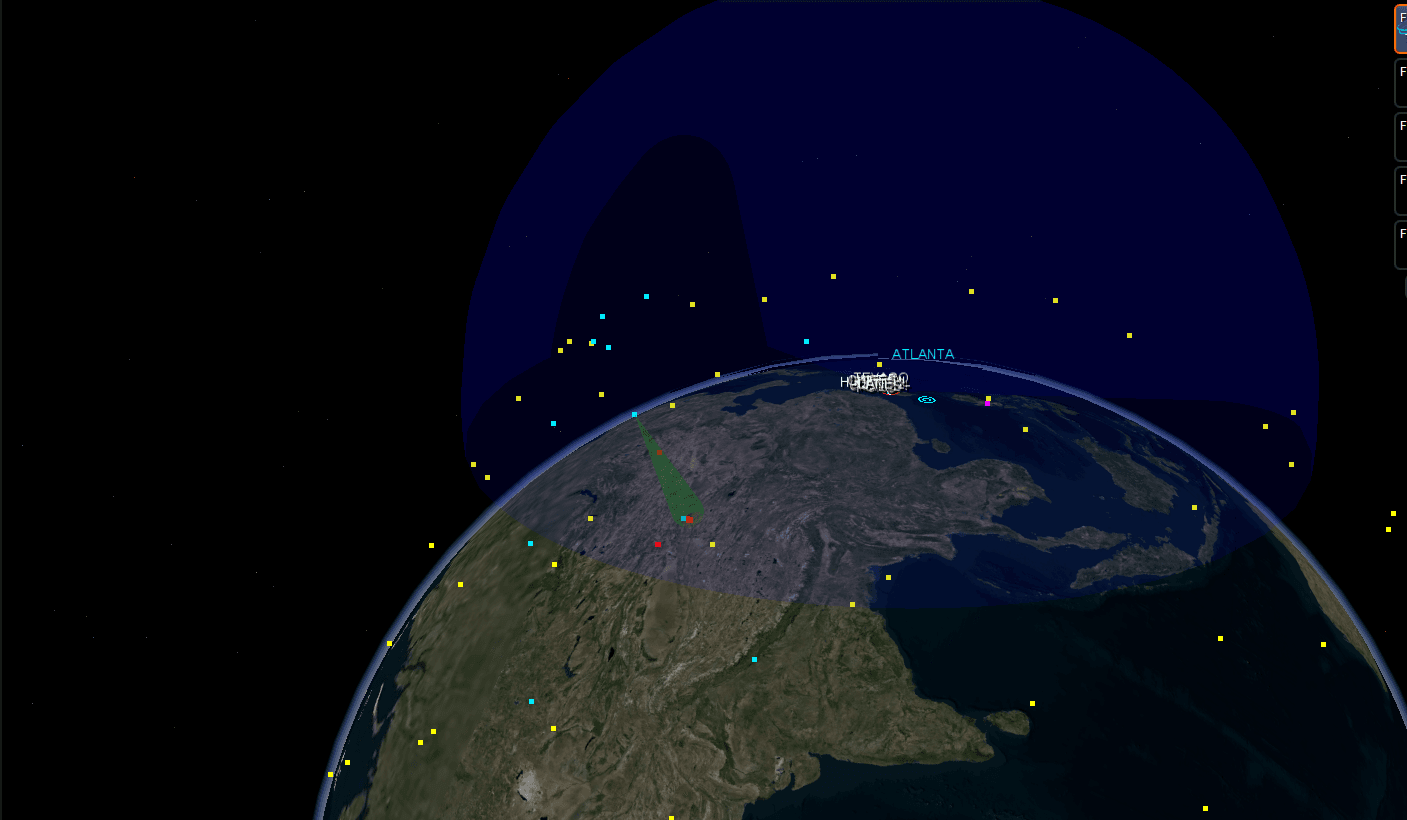
Instructors can now build and manage an entire satellite constellation as one group instead of one satellite at a time. Users see coverage now, preview it at a future date and time, and reposition the whole constellation with one command. Space is part of every modern operation, and realistic space scenarios now take less time to build.
Faster Link-16 setup
A new Link-16 Network Manager brings network setup into one place. Assign a role such as “C2” or “Fighter” and ASCOT 7 sets link role values and deconflicts track blocks and JUs automatically. Custom antenna beam patterns and coverage overlays show where each entity’s network reaches. Instructors get faster setup, fewer configuration errors, and more realistic network architecture.
Mesh networks and modeled cyber effects
Users can model how data moves between forces at scale, across LAN, Wi-Fi, satellite, cellular, optical, and human-in-the-loop connections, then disrupt those networks through the electronic warfare manager. Cyber effects are now scenario-driven and modeled inside ASCOT 7, so degraded weapons, sensors, and Link-16 data flows no longer have to be white-carded. Forces can train to operate when networks are contested.
More realistic IR sensors
Infrared (IR) sensors now carry real-world limitations as well as capabilities, including 3D track requirements, steerable beams, and automatic tracking of targets such as ballistic missiles. Operators have to plan where to position assets and where to point sensors.
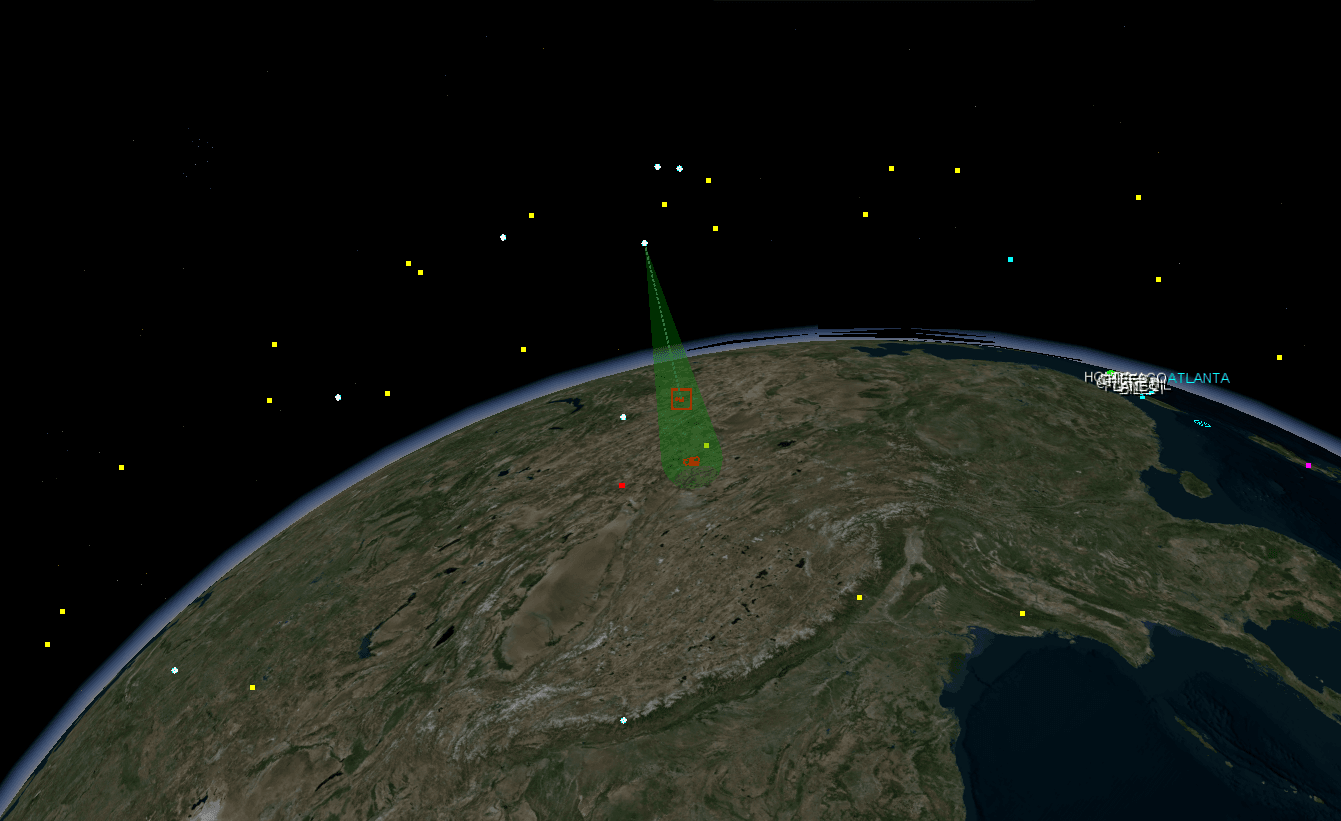
Also new in ASCOT 7: jammer and passive detection interaction, J12.6 precision data, CSV database export, custom map imagery, custom entity coloring, and faster selection and navigation throughout.
 (Version 4.13.1)
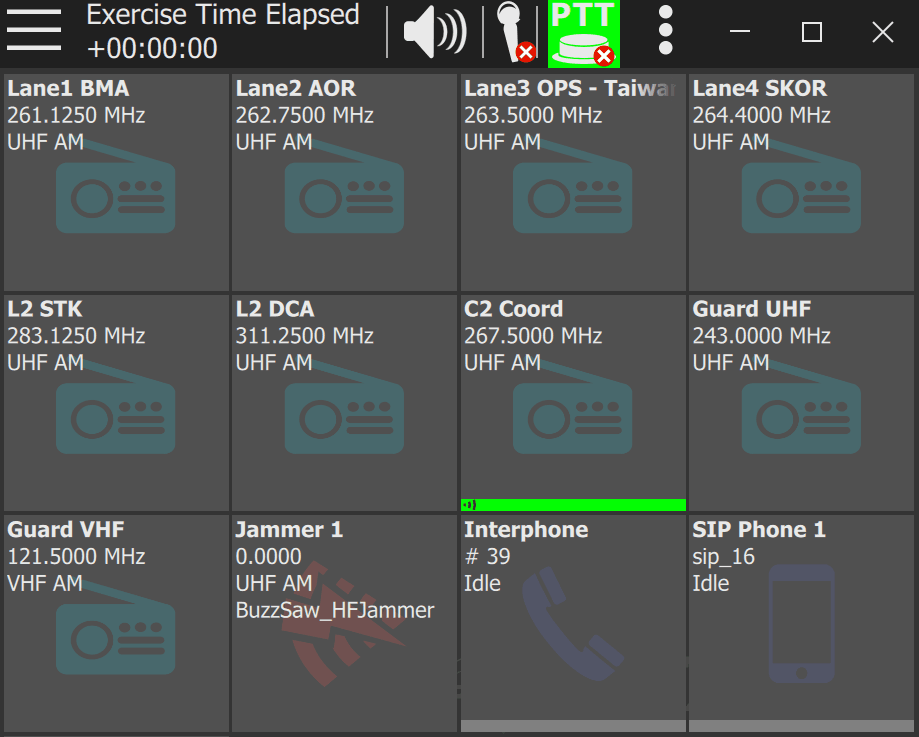
sonomarc brings simulated and operational radio, voice, and chat into one package for live, virtual, and constructive (LVC) training.
- Current HLA standard. HLA 1516-2010 support replaces the legacy HLA 1.3 interface, and DIS Unicast and Direct connections are improved. The result is fewer interruptions and easier integration when several simulations connect at once.
- Single-port WAN connections. Remote clients connect through one port, with zScaler and NAT support, which simplifies setup on secure networks.
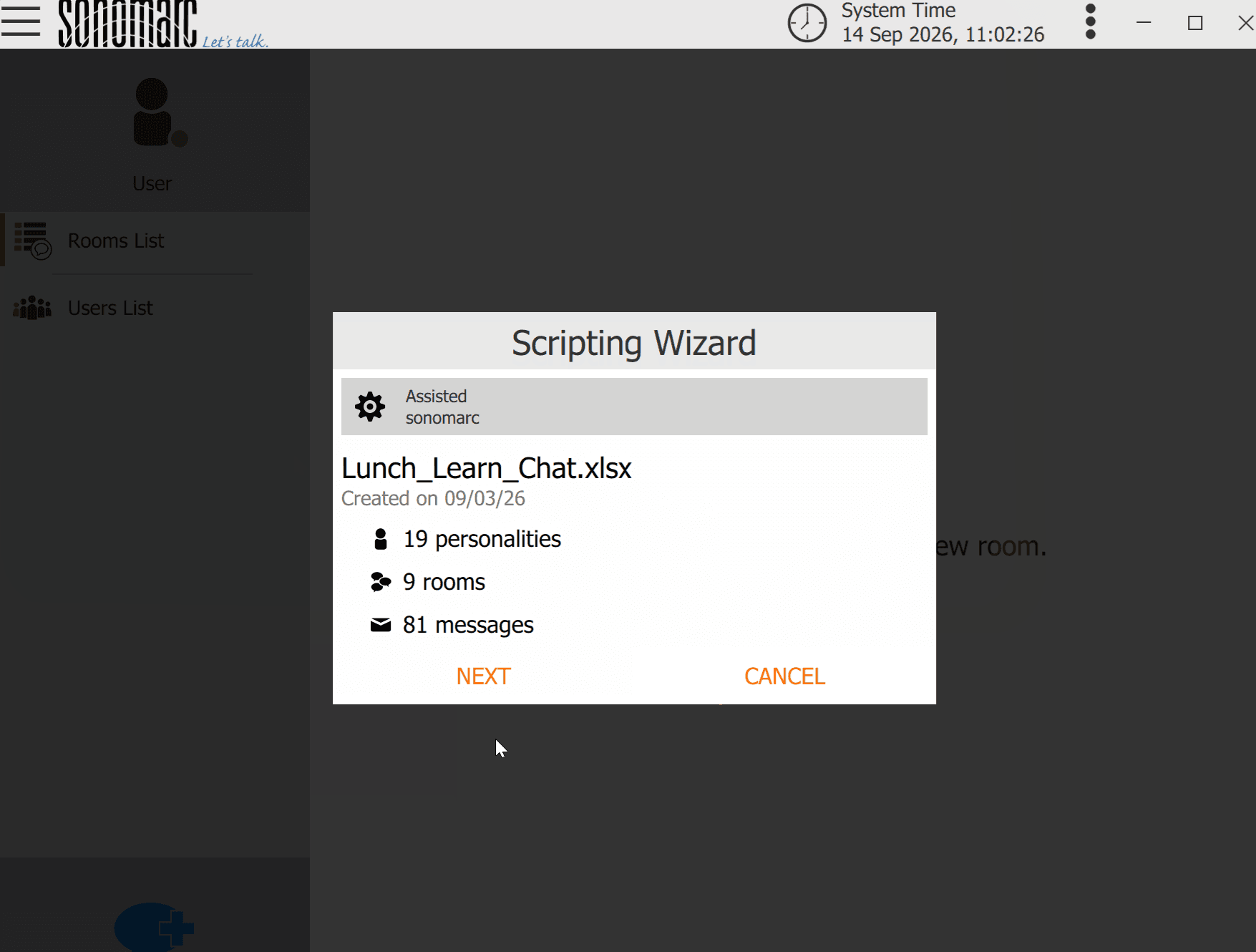
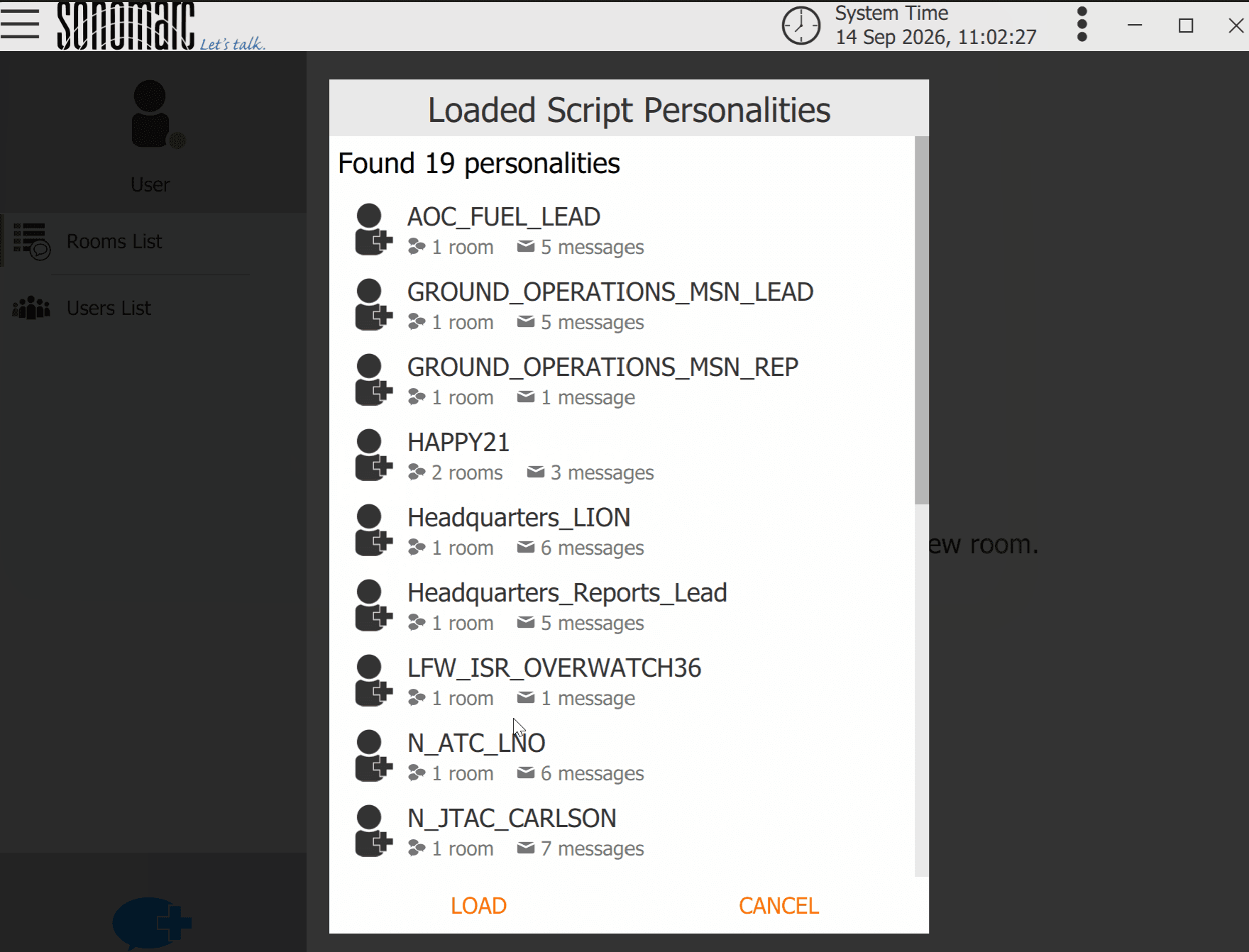
- Chat Scripting Wizard. Role-player personalities, rooms, and users are built in one step, with hidden and password-protected rooms.
- Speech-segmented recordings. Voice is recorded by speech segment and tied to exercise time, enabling transcription and faster debriefs.
 (Version 5.0)
VADAAR records, streams, and replays time-synchronized video, audio, and data for after action review (AAR). Version 5.0 is a full redesign.
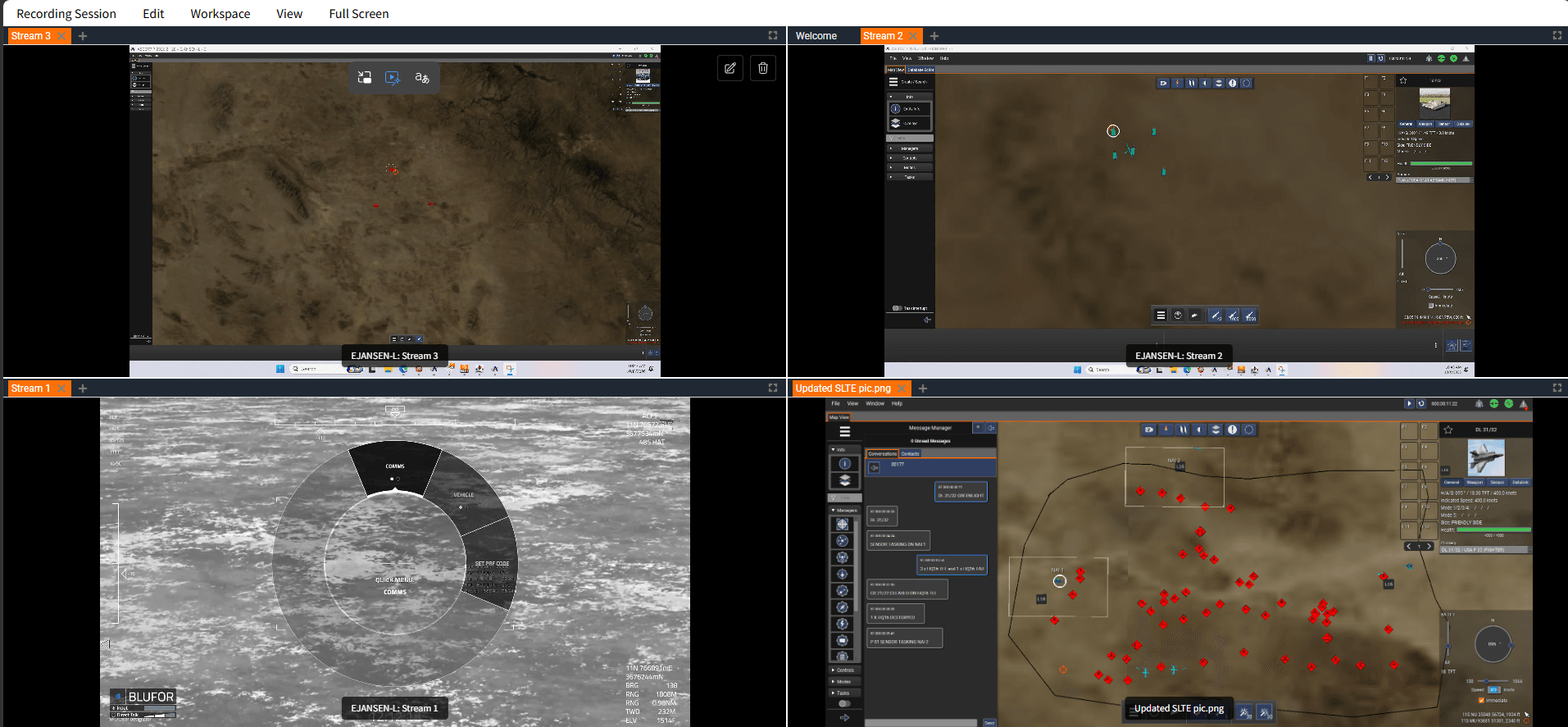
- Workspaces. Users drag and drop every screen and resource into one layout, or open any resource full screen.
- Browser-based viewing. The Viewer is built into the web interface, so there is nothing to install on each workstation.
- Server settings in the interface. No more hand-editing configuration files in secured environments.
Diagnostics (Version 7.6.1)
The DIS Packet Analyzer now displays VMF K-series messages and shows entity damage states directly on the map, for faster troubleshooting and a clearer picture of what happened and when.
Also in the CBR 26B
DLI, Launch Control, and CASE-V remain part of the baseline with no capability changes this release.
Learn more
Current customers can contact their PLEXSYS representative for the full CBR 26B capabilities overview and upgrade planning.
Media contact: Nancy Paschal, Senior Marketing Manager, npaschal@plexsys.com
About PLEXSYS Interface Products, Inc.
PLEXSYS Interface Products, Inc. is a leading developer of Live, Virtual, and Constructive (LVC) training solutions for the United States Armed Forces and allied defense partners worldwide. Founded in 1986 and headquartered in Camas, Washington, PLEXSYS designs and delivers the integrated training ecosystems that prepare warfighters for any mission, across all domains, at every phase of operations — from initial training through real-world deployment. With facilities and personnel supporting defense customers across the United States, United Kingdom, and Australia, PLEXSYS brings forty years of mission-focused innovation to the world's most demanding training environments. For more information, visit plexsys.com.